Best Feathers for Fly Tying in Australia
Our fly tying customers are picky: they want the best quality feathers for fly tying they can get! And for good reason: the art of fly tying is just as much about the materials as it is the technique.
Luckily, we’re the go-to for top quality bulk feathers here in Australia, and quality is what we specialise in.
So we've put together a quick guide on our top feathers for fly tying. Just remember, these are our top five sellers, there is plenty more in our range to explore.
But first, let's dive in!
What Are The Best Feathers For Fly Tying In Australia?
The best feathers for fly tying depend on the type of fly you are creating. For dry flies, Rooster Hackle and CDC (Cul de Canard) are essential for buoyancy. For nymphs and wet flies, Peacock Herl and Pheasant Tail provide unmatched natural iridescence and "buggy" textures. If you are tying streamers or saltwater patterns, Marabou and Goose Biots offer the fluid movement and structural detail needed to attract predatory fish.
1. Peacock Feathers for Fly Tying: The Essential Iridescence
If there is one "must-have" material for every fly tyer, it’s the Peacock feather. Specifically, the Peacock Herl (found on the eye and sword feathers) is world-renowned for its shimmering green-bronze hue that mimics the natural exoskeleton of many insects.
Key Features:
-
Natural Flash: Iridescent barbs provide a lifelike shimmer without the need for synthetics.
-
Versatile Body Material: Perfect for wrapping "buggy" bodies on classic patterns like the Royal Wulff or Prince Nymph.
-
Multiple Textures: Use the eye for bushy herl or the stem for stripped quill bodies.
From the classic Peacock and Partridge to modern nymphs, these feathers are a staple for adding organic "pop" to your flies.

Deep Dive: For a closer look at Peacock feathers for fly-tying, read our in-depth guide here: Peacock Feathers for Fly Tying: An Expert Australian Guide
2. Rooster Hackle for Fly Tying: The Secret to Buoyancy
Rooster feathers (often referred to as hackle) are the engine room of a dry fly. They are used to create the "legs" or collar of the fly, which allows it to sit high on the water's surface tension.
Key Features:
-
Stiff Barbs: High-quality rooster hackle has stiff, springy fibers that don't waterlog easily.
-
Tapered Shape: Ideal for palmering (wrapping) down the hook shank for Wooly Buggers.
-
Vibrant Colours: Available in natural badger, black, and dyed olives or reds to match local hatches.
Essential for everything from high-floating dry flies to the rhythmic movement of large streamers.

3. Goose Biots for Fly Tying: Precision and Structure
Goose Biots are the stiff, tapered fibers found on the leading edge of a goose's wing. They are a favorite among Australian tyers for creating realistic tails, antennae, and segmented bodies.
Key Features:
-
Defined Segments: When wrapped, they create a perfectly ribbed, segmented body for nymphs.
-
Structural Strength: Stiff enough to be used as "split tails" on stonefly and mayfly patterns.
-
Wide Colour Range: Our collection includes everything from Dark Olive to Burnt Orange for exact matching.
If you are tying technical nymphs or small dry flies, Goose Biots provide the architectural detail that fools wary fish.

4. Marabou (Turkey Plumage) for Fly Tying: Ultimate Movement
Marabou is actually the soft, fluffy under-plumage of a turkey. It is perhaps the most "alive" material you can put on a hook. The moment it hits the water, it undulates and breathes with even the slightest current.
Key Features:
-
Liquid Motion: Finer than hair, marabou fibers move fluidly, imitating baitfish or leeches.
-
High Visibility: Large, fluffy plumes are perfect for high-contrast streamers and "Itty Bitty" versions for smaller flies.
-
Great for Beginners: One of the easiest materials to tie in for maximum fish-catching results.
A powerhouse material for streamers like the Wooly Bugger or various saltwater "clouser" styles.

5. Pheasant Feathers for Fly Tying: The Nymph Specialist
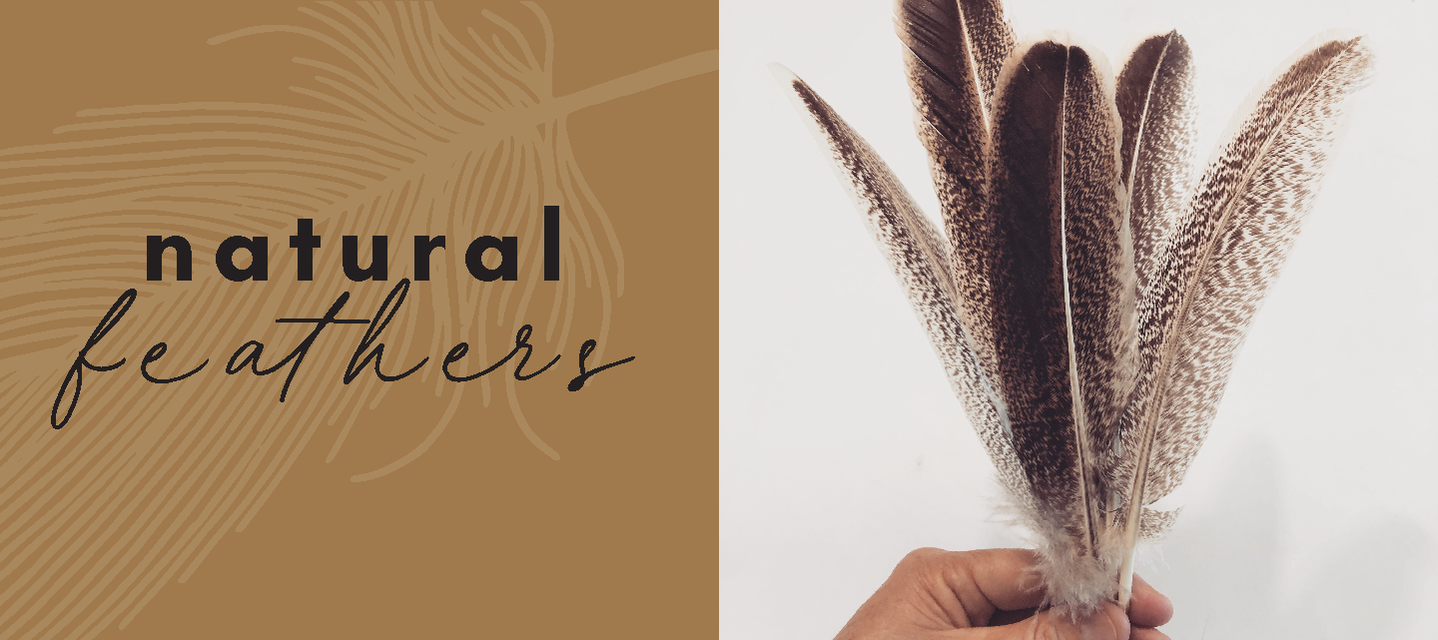
While we often think of pheasant for millinery, the Pheasant Tail is arguably the most famous nymph material in history. The mottled brown and black barring provides the perfect camouflage for imitating underwater larvae.
Key Features:
-
Mottled Camouflage: Natural earthy tones that blend perfectly into riverbed environments.
-
Diverse Sizes: Mixed packs offer a range of lengths for tiny size 20 nymphs up to large hoppers.
-
Durable Barbs: Can be knotted to create realistic "legs" for terrestrial patterns.
No fly box is complete without a few Pheasant Tail Nymphs—nature's perfect imitation of a developing insect.

Final Thoughts on Choosing Feathers for Fly Tying
As a proudly Australian owned and operated business, we understand exactly what our local tiers need. We take pride in offering a huge, diverse range of top-quality feathers—from delicate CDC to high-impact plumes—ensuring you always have the right tool for the vise.
Plus, if you’re looking to stock up for the season, we specialise in bulk orders to keep your bench fully loaded without breaking the bank. If you have any questions, don't hesitate to get in touch!
Ready to stock up your bench with the best?


Leave a comment