

Feathers for Centerpieces: 10 Questions Answered
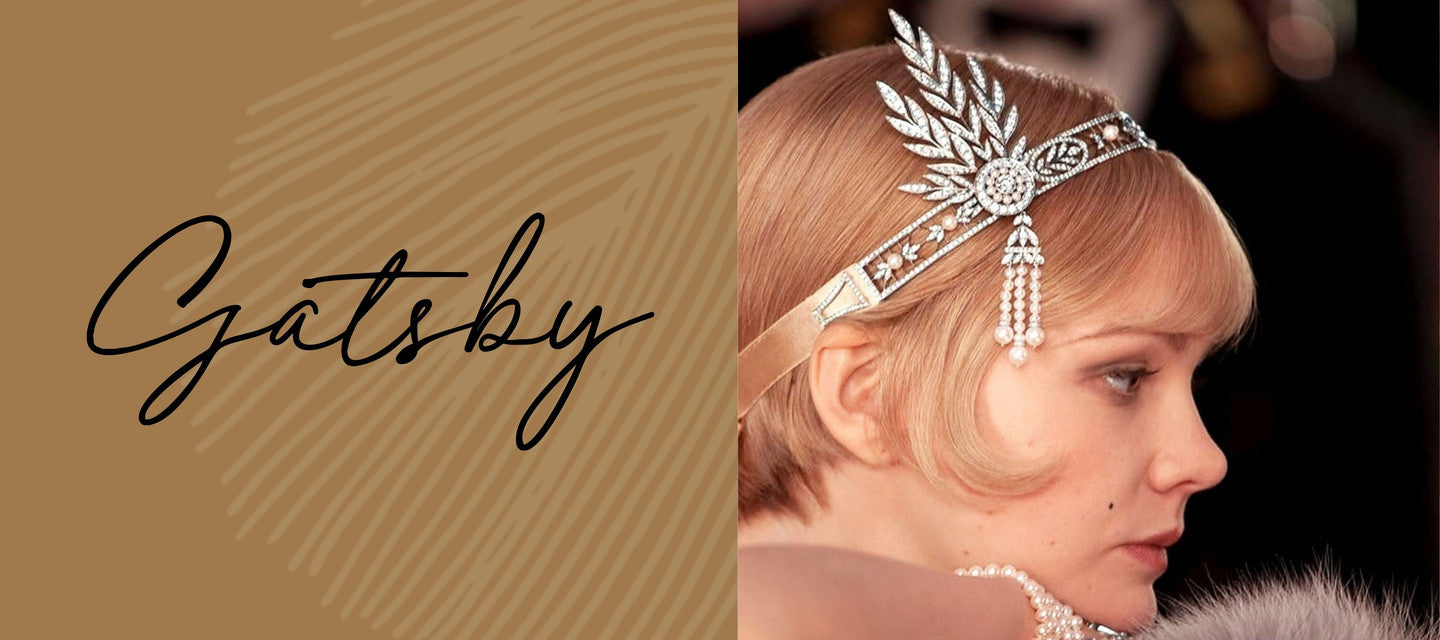
Long before they graced our tables, feathers symbolised truth and balance in ancient Egypt. Talk about high standards. Fast forward to the roaring twenties, and they became the ultimate jazz-age status symbol for high society. Gatsby, anyone?
Today, we use them to bring that same timeless drama to modern weddings and galas minus the flapper dress - or sometimes with it. If you are ready to channel your inner pharaoh or Gatsby or just make your space, whatever it is, look absolutely stunning, our Q&A guide breaks down the modern mechanics of turning raw plumage into breathtaking decor.
1. How many ostrich feathers do I need for a centerpiece?
For a standard Eiffel Tower vase centerpiece, you will need between 20 and 25 ostrich feathers to achieve a classic, full look. This is the industry standard for weddings and corporate galas. It creates a well-rounded dome shape with plenty of cascading tips.
If you are working with a tight budget or a smaller venue, you can create an economy tier arrangement using 15 to 18 plumes. For grand ballrooms with soaring ceilings, a premium, high-density cloud effect typically requires 30 to 40 feathers per table.

2. What size feathers are best for tall centerpieces?
The best size depends entirely on the scale of your venue and the density tier you choose. For a classic wedding dome, look for feathers that are 35 to 45 centimeters long. If you mix your lengths, you will get a lot more depth. Try placing 40-centimeter plumes at the top and letting 30-centimeter plumes drape downward at the bottom.
For massive luxury installations, you will want premium male ostrich feathers ranging from 45 to 65 centimeters. These have thicker shafts and wider bodies, which instantly maximizes the overall footprint of your centerpiece.
3. Which types of feathers work best for event decor?
Ostrich plumes are the gold standard for luxury event decor because their individual barbs lack microscopic hooks. This unique structure gives them their iconic, soft appearance. They catch ambient room lighting beautifully and move gently with the natural airflow of the room.
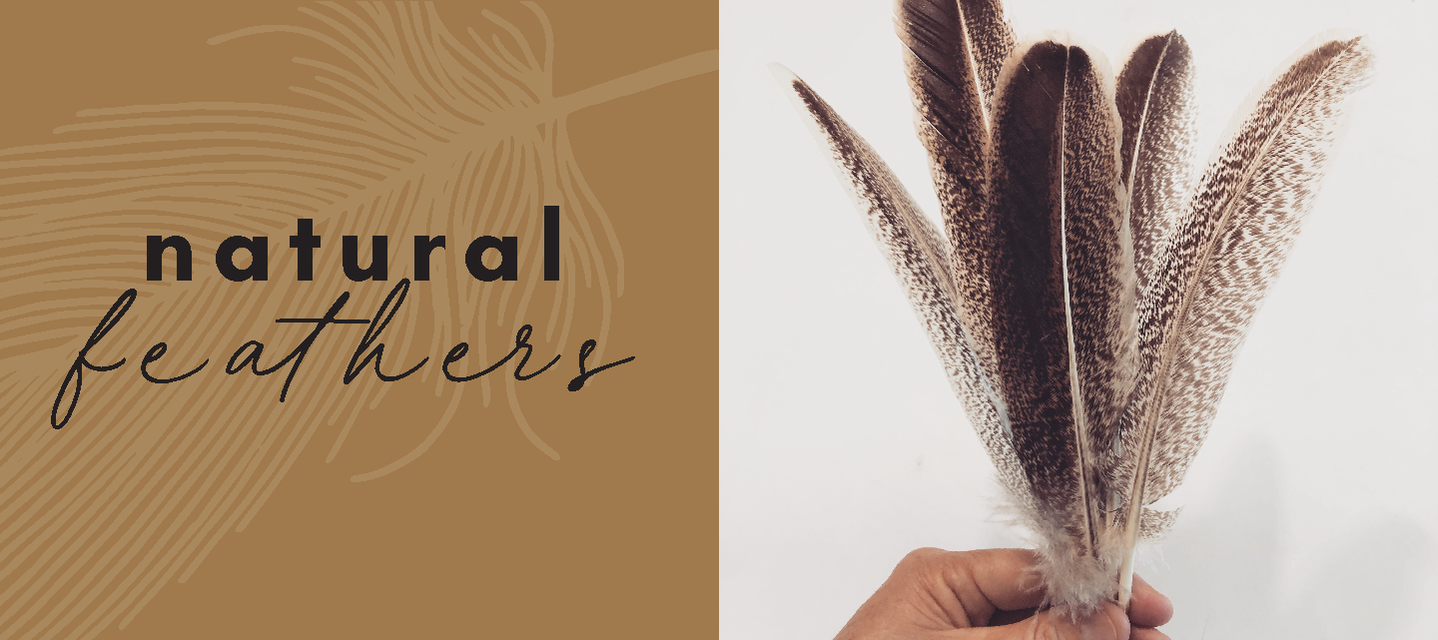
However, you have other fantastic options depending on your theme. Peacock eyes and swords are perfect for jewel-toned color palettes or Art Deco themes because they provide architectural lines and rich, iridescent colors. If you are styling a rustic, bohemian, or high-fashion event, pheasant tails add dramatic height and striking horizontal patterns.
4. How do I calculate my total feather inventory for an event?
To calculate your total inventory, you need to multiply your target feather count per table by the total number of tables, then add a safety buffer. We always recommend ordering an extra 10 percent to account for any natural variations or transit damage.
Here is a quick breakdown of how the math looks based on different styles:
|
Centerpiece Style |
Recommended Feather Count |
Optimal Feather Length |
|
Minimalist Accent |
12 to 15 Feathers |
25 to 30 cm |
|
Classic Wedding Dome |
20 to 25 Feathers |
35 to 45 cm |
|
Luxury Gala Cloud |
35 to 45 Feathers |
45 to 55 cm |

5. What supplies do I need to build a feather centerpiece?
The underlying structure is just as important as the plumage itself. To build a stable, professional-grade arrangement, you will need your selected feathers, tall vases, high-density dry floral foam, and a straight holder handle.
Because feathers provide immediate height without adding excessive weight, you do not have to worry about the arrangement being too heavy for the tablescape. You just need to ensure the foam holder sits snugly inside the vase mouth so nothing shifts during the party.
6. How do I arrange feathers in a vase for maximum volume?
The secret to a seamless, rounded canopy is to always work from the bottom up. Start by inserting your first ring of feathers into the dry floral foam at a downward 45-degree angle. This creates the skirt of the arrangement and hides the top rim of your vase.
Next, move to the middle row. Insert this layer horizontally, making sure to fill the gaps between the lower feathers to build out the width. Finally, place your longest, most premium plumes into the crown of the foam, pointing slightly upward. These will cascade down over the lower layers beautifully.
7. How do you make flat ostrich feathers look full again?
Natural plumage requires specific care to look its best on the day of your event. Because feathers are packed tightly for transport, they need time to recover their natural shape. Unpack your shipment at least 48 to 72 hours before the event and give each plume a gentle shake to separate the barbs.
If the feathers still look a bit flat from transit, hold the individual stems over a garment steamer or a boiling kettle for a few seconds. The humidity instantly opens up the barbs and doubles the visual volume of the feather.

8. What is the best way to transport feather centerpieces?
We highly recommend assembling your centerpieces on-site at your venue. Transporting fully assembled feather centerpieces is a recipe for disaster. The movement can easily bend the quills or cause the dry floral foam to break apart inside the vehicle.
Instead, keep your feathers organized by length in sturdy, flat boxes during transit. Pack your vases and foam separately, then arrive early to build the arrangements directly on the tables.
9. Are feathers a budget-friendly alternative to flowers?
Yes, feathers can be incredibly cost-effective for large-scale events. They offer a distinct structural advantage over traditional floral arrangements because they cover a massive physical area with far fewer individual pieces.
While premium ostrich plumes represent an investment up front, they do not require water, they will not wilt in a warm room, and they can be reused for future events. When you look at the cost per square foot of visual impact, feathers often beat out high-end fresh flowers.
10. Why is sourcing from a dedicated supplier important for large events?
When you are executing a major event layout, consistency is your most valuable asset. Sourcing your materials from a dedicated supplier ensures that the color matching, stem thickness, and overall quality remain uniform from the first table to the very last.
Planning your inventory well in advance allows for careful selection and preparation of your materials. If you are coordinating a major celebration or managing regular event styling contracts, building a relationship with a reliable wholesale supplier is the best way to safeguard your design standards.
If you have any questions about this topic, simply get in touch. We are always happy to help.


Leave a comment